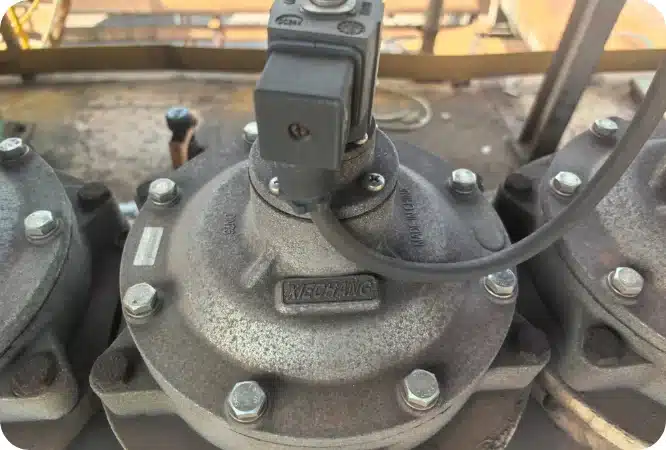
Customizable
OEM/ODM


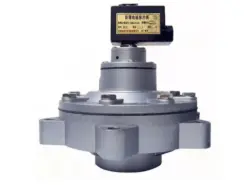
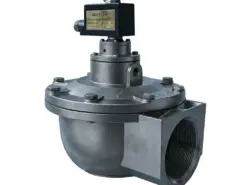
Xiechang® Pulse Jet Valve
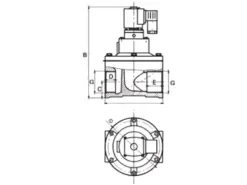
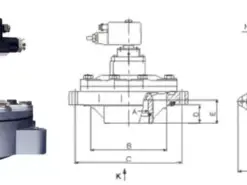
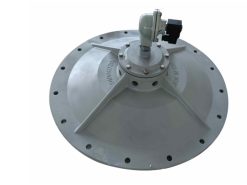
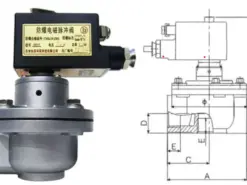
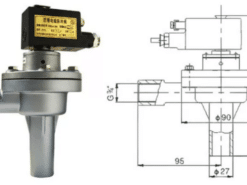
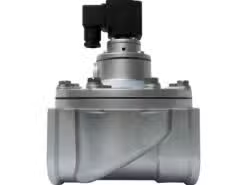
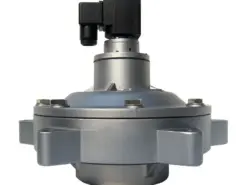
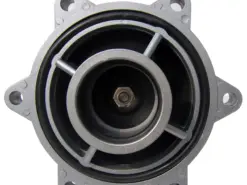
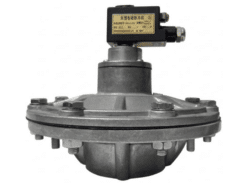
DCF-F-Y Immersed Explosion-Proof Baghouse Pulse Valve Manufacturer

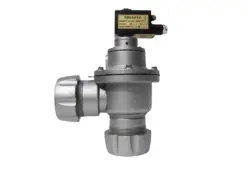
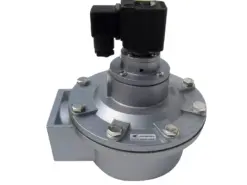
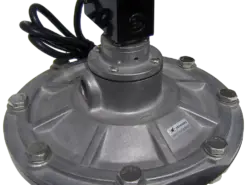
Explosion-proof Pulse Valve
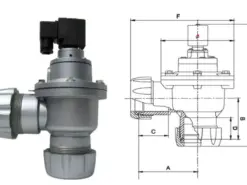
DCF-F-2L Explosion-Proof Right-Angle Baghouse Pulse Valve Manufacturer
Technical Guide: Baghouse Pulse Valves
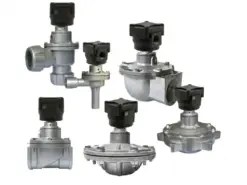
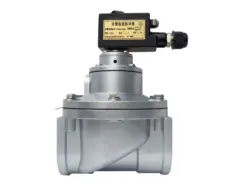
From a professional perspective, the pulse valve (also known as a diaphragm pulse jet valve) is the primary execution component of a pulse-jet baghouse system, often referred to as the "heart" of the dust collector.
Technically, it is a high-flow, rapid-opening diaphragm valve specifically engineered to release compressed air in extremely short bursts. As the critical component for high-efficiency cleaning, the quality of a pulse jet valve directly determines whether an industrial filtration system can maintain low operational resistance and a high recovery rate of fine dust.
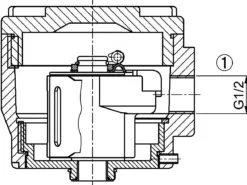
The operational logic of a pulse jet valve is based on the pressure equilibrium between two internal air chambers:
This periodic, instantaneous blast vibrates the filter bag, effectively stripping away accumulated dust particles.
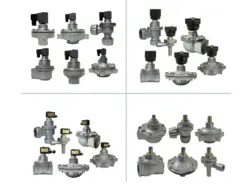
| Valve Type | Structural Features | Best Adaptation Scenario |
|---|---|---|
| Right Angle | Inlet and outlet are at a 90° angle. | Universal: Standard for cement, grain, and woodworking. |
| Immersed | Valve body is embedded directly inside the air header tank. | High Efficiency: Minimal airflow resistance; ideal for metallurgy/power plants. |
| Straight Through | Inlet and outlet share the same axis. | Specific Piping: Unique layouts requiring minimal kinetic energy loss. |
FAQ
Size selection primarily depends on the total air volume required for cleaning. Longer or larger diameter filter bags require a pulse jet valve with a larger diameter to ensure the pressure wave reaches the bottom of the bag.
Xiechang® provides professional technical calculations based on your specific tank pressure and bag dimensions to ensure optimal cleaning efficiency.
Regular maintenance is key to system longevity. Common warning signs include:
Yes. We recognize that many industrial environments involve high-temperature flue gases.
We offer specialized high-temperature models equipped with heat-resistant solenoid coils and Viton (FKM) diaphragms. These components are specifically engineered for stable, long-term operation in environments reaching up to 200°C.