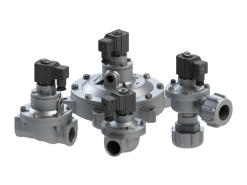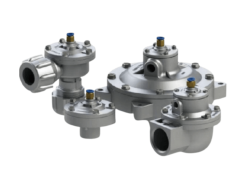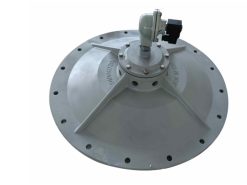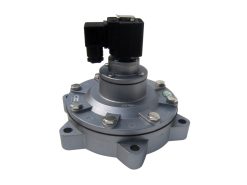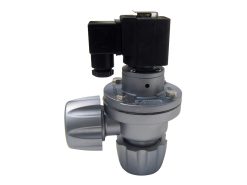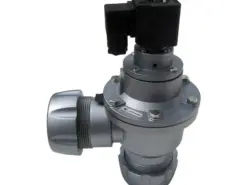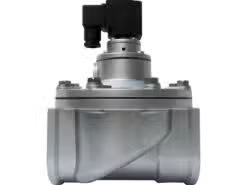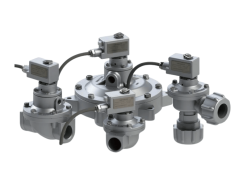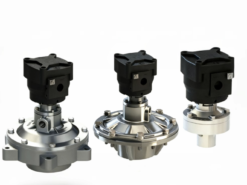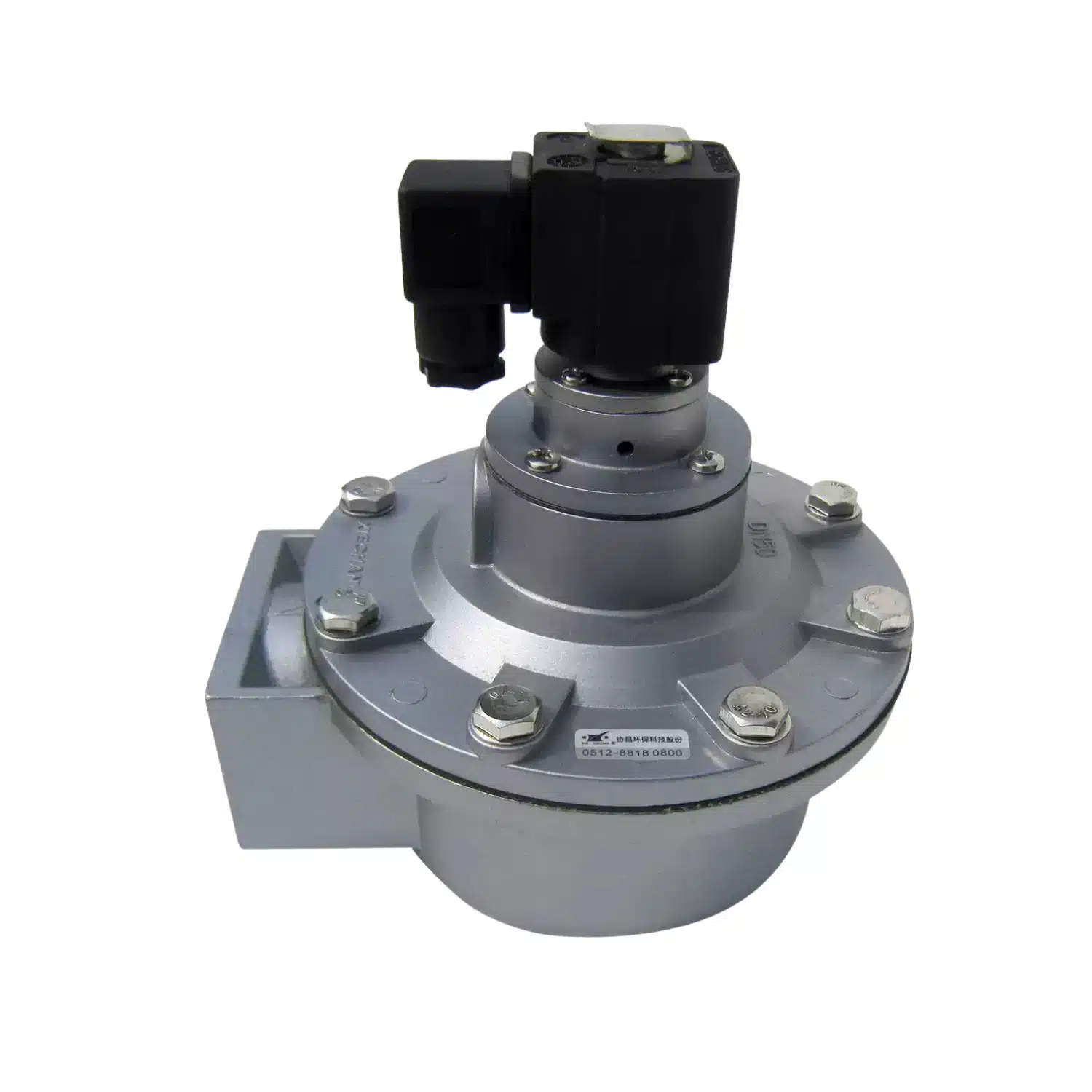
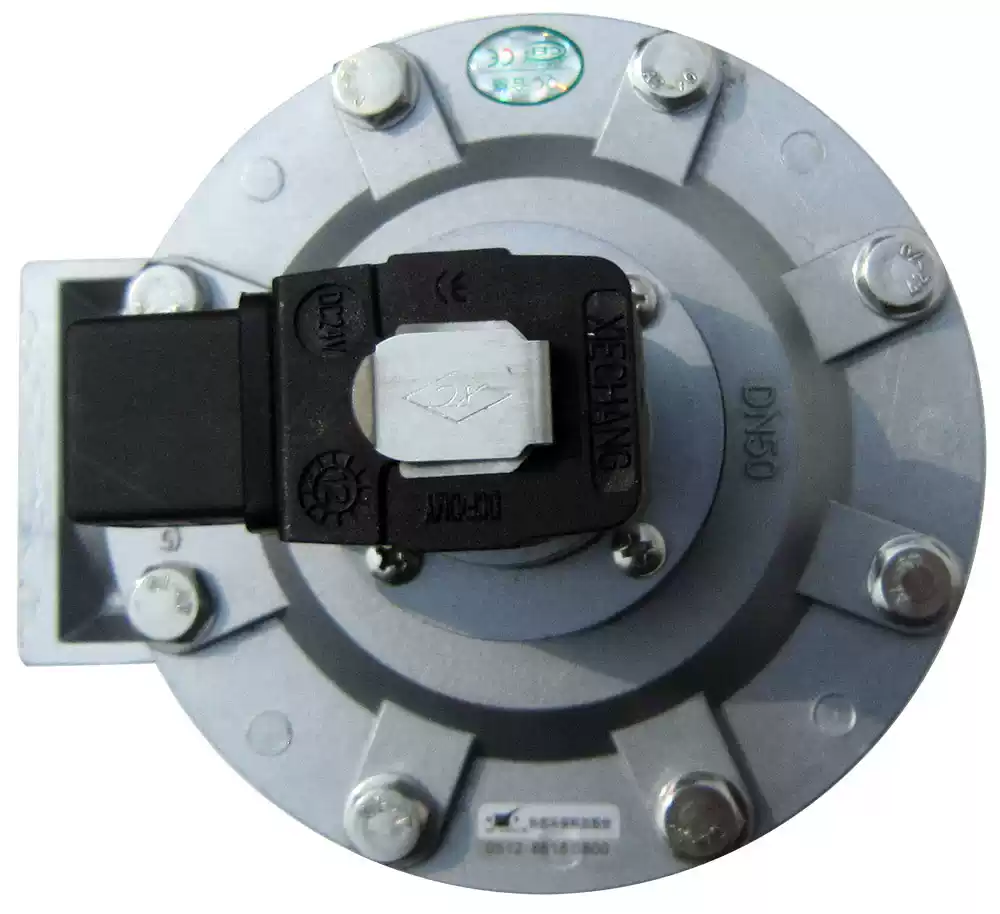
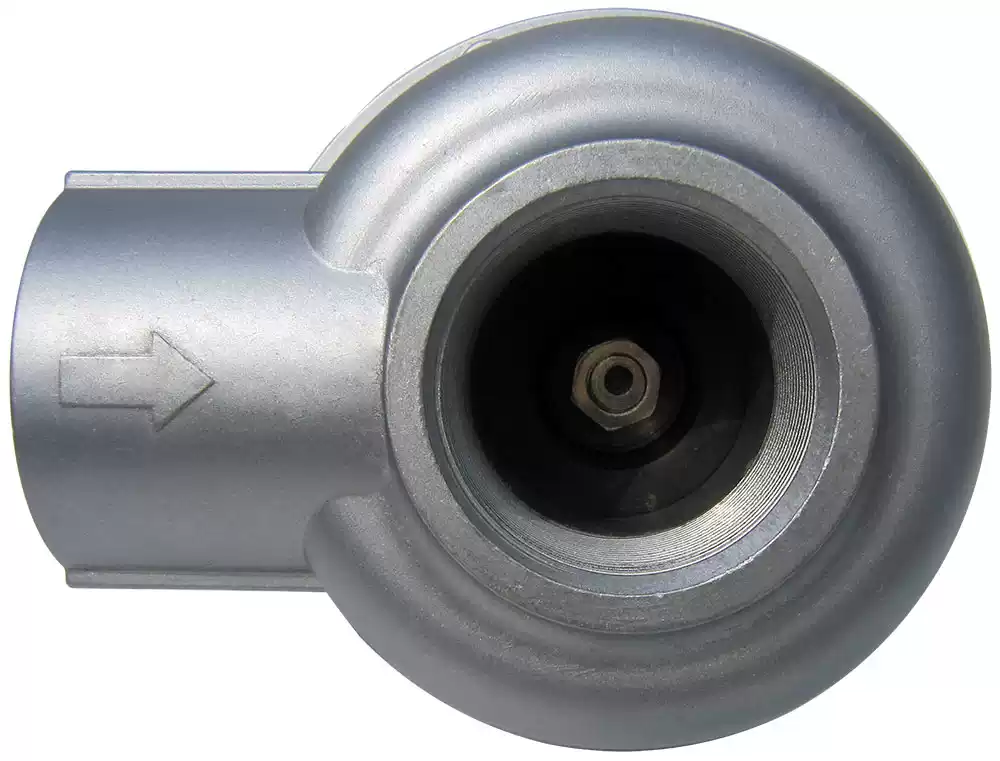

The Xiechang® DCF-Z series is a high-performance right-angle pulse jet valve designed for industrial dust collector systems. Engineered for precision and rapid response, these valves feature a specialized diaphragm construction—Single Diaphragm for smaller sizes (DN20-25) and Double Diaphragm for larger scales (DN40-76)—ensuring maximum airflow and cleaning efficiency.
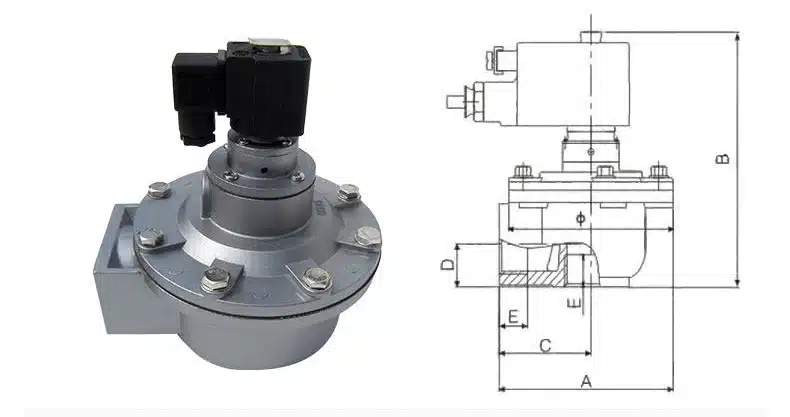
Key Technical Advantages:
- Extreme Durability: Tested for over 1 million cycles, providing 5+ years of reliable service.
- Standardized Precision: Sizes range from DN20 (3/4″) to DN76 (3″) with G-thread connections.
- Robust Electrical Design: IP65 protection level with versatile voltage options (DC24V / AC220V).
- Optimized Performance: Operates within 0.4~0.6MPa pressure range using clean air medium.
| Model | Size (DN / Inch) | Thread | Diaphragm Type |
|---|---|---|---|
| DCF-Z-20 | 20 (3/4″) | G3/4″ | Single |
| DCF-Z-25 | 25 (1″) | G1″ | Single |
| DCF-Z-40S | 40 (1.5″) | G1.5″ | Double |
| DCF-Z-50S | 50 (2″) | G2″ | Double |
| DCF-Z-62S | 62 (2.5″) | G2.5″ | Double |
| DCF-Z-76S | 76 (3″) | G2.5″ | Double |
Guide to Right Angle Baghouse Pulse Valves
1. WHAT IS A RIGHT ANGLE PULSE JET VALVE? (DEFINITION & DESIGN)
A Right Angle Pulse Jet Valve is a specialized diaphragm valve used as the core executive component in pulse jet baghouses. It gets its name from the 90° angle between the air inlet and outlet. This design allows it to be mounted directly onto the side of the header pipe (air tank), with the outlet discharging compressed air into the blowpipe to clean the filter bags.
2. HOW DOES A RIGHT ANGLE PULSE VALVE WORK? (STEP-BY-STEP)
The efficiency of a pulse jet cleaning system depends on the valve’s ability to create a high-pressure “shockwave.” Its operation follows a simple pressure-differential principle:
- Pressure Balancing: Compressed air enters the rear chamber through a bleed hole, pressing the diaphragm against the outlet to keep the valve closed.
- Pilot Activation: When the solenoid receives an electrical signal, the pilot orifice opens, venting the rear chamber.
- Instantaneous Pulse: The sudden pressure drop allows the diaphragm to lift, releasing a high-velocity burst of air (0.03s–0.1s) into the dust collector.
3. KEY BENEFITS OF USING RIGHT ANGLE VALVES
Choosing the right valve is critical for maintaining low differential pressure in your dust collector. The benefits include:
- High Cleaning Energy: The internal flow path is optimized for a massive volume of air release, providing a powerful cleaning force to dislodge tough dust cakes.
- Compact Installation: The 90° configuration is ideal for row-mounting on manifolds, significantly reducing the footprint of the cleaning system.
- Cost-Effective Maintenance: Diaphragm kits and solenoid coils can be replaced without removing the valve body, minimizing downtime and labor costs.
4. COMMON DRAWBACKS: PRESSURE DROP AND AIR QUALITY
- Local Resistance: The 90° turn creates slightly more internal resistance compared to submerged (immersed) valves, leading to a minor pressure loss.
- Air Quality Sensitivity: To prevent diaphragm failure or pilot sticking, the compressed air must be dry, filtered, and oil-free.
- Sealing Precision: Proper threading or bulkhead alignment is required during installation to prevent air leaks at the tank connection.
5. INDUSTRIAL APPLICATIONS: FROM CEMENT TO METALLURGY
Right Angle Pulse Jet Valves are the “workhorses” of industrial air filtration across multiple sectors:
- Cement & Mining: Used in kiln heads, separators, and crushing stations where heavy dust loading occurs.
- Steel & Power: Essential for blast furnace gas cleaning and flue gas desulfurization (FGD) in coal-fired boilers.
- Chemical & Woodworking: Employed for product recovery and maintaining environmental safety standards.