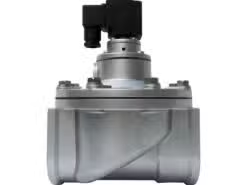
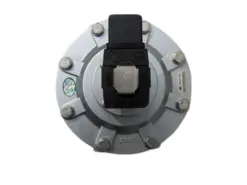
Customizable
Size




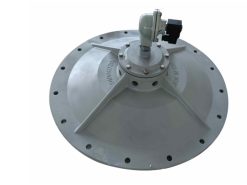
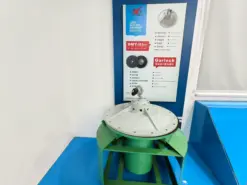
From a professional perspective, the pulse valve (also known as a diaphragm pulse jet valve) is the primary execution component of a pulse-jet baghouse system, often referred to as the "heart" of the dust collector. Technically, it is a high-flow, rapid-opening diaphragm valve specifically engineered to release compressed air in extremely short bursts. As the critical component for high-efficiency cleaning, the quality of a pulse jet valve directly determines whether an industrial filtration system can maintain low operational resistance and a high recovery rate of fine dust.
The operational logic of a pulse jet valve is based on the pressure equilibrium between two internal air chambers. In the closed position, compressed air enters the rear chamber via a bleed hole, forcing the diaphragm to seal against the outlet. When the solenoid pilot is energized, it opens an exhaust orifice, causing the rear chamber pressure to drop instantly. This allows the high-pressure air in the front chamber to snap the diaphragm open in milliseconds, releasing a powerful supersonic shockwave. This periodic, instantaneous blast vibrates the filter bag, effectively stripping away accumulated dust.
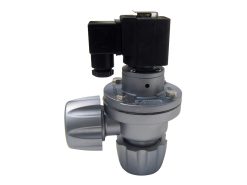
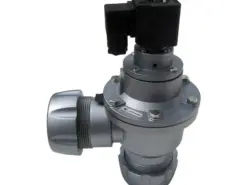
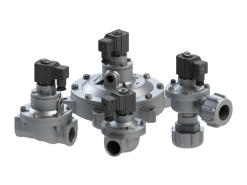
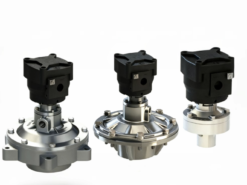
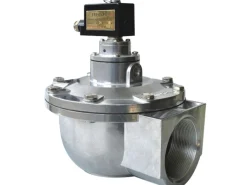
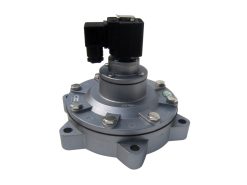
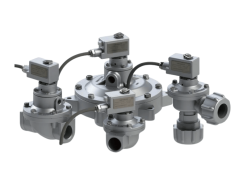
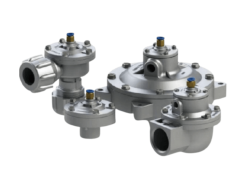
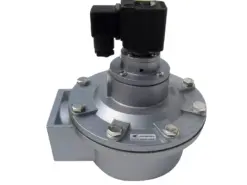
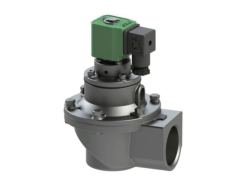
The mechanical structure of a pulse jet valve determines its pneumatic efficiency. Xiechang® offers a wide selection to fit any manifold:
| Valve Type | Structural Features | Best Adaptation Scenario |
|---|---|---|
| Right Angle | Inlet and outlet are at a 90° angle. | Universal: Standard for cement, grain, and woodworking industries. |
| Immersed | Valve body is embedded directly inside the air header tank. | High Efficiency: Minimal airflow resistance; ideal for metallurgy and power plants. |
| Straight Through | Inlet and outlet share the same axis. | Specific Piping: Designed for unique layouts requiring minimal kinetic energy loss. |